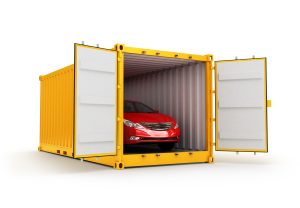
Ventilating a sea container, mainly when used for storage at a facility like Yellowhead Storage, is crucial for maintaining air quality and preventing issues such as condensation, mould, and mildew. Proper ventilation ensures a continuous flow of air, essential for preserving the condition of stored items, especially in climates with high humidity or temperature fluctuations. There are several methods for ventilating a sea container. The simplest and most common method is to install passive vents. These vents allow air to circulate naturally without the need for mechanical systems. They are typically placed on opposite sides of the container to facilitate cross-ventilation. This type of ventilation is generally sufficient for basic storage needs.
It depends on where you live, but for Albertans, it is best to have your shipping container delivered in the spring or summer. This is because our winters are so cold and snowy that it can be difficult for the delivery truck to get to you. We can deliver year-round, however, plowing of the snow will need to be done beforehand so that we can properly deliver the shipping container. If you have any questions about when the best time to have your shipping container delivered is, please give us a call, and we would be happy to help.
Shipping containers are widely considered an excellent investment due to their high resale value. Generally, the resale value of a shipping container remains relatively high, but factors such as age, condition, and location can influence this value. One of the key reasons for their substantial investment potential is their versatility. Shipping containers can be repurposed for various uses, including storage, office spaces, and even homes. Their robust construction ensures durability, and their portability makes them ideal for those who move frequently or need secure, temporary storage solutions. Additionally, shipping containers are easy to transport, providing flexibility for changing needs. This combination of high resale value, versatility, and ease of transportation makes shipping containers an intelligent investment choice for various applications. Whether you need extra storage or a portable office, shipping containers offer a practical and financially sound solution.
Yes, a shipping container can be used as a garage, providing a durable, weather-resistant, and cost-effective solution for vehicle and tool storage. These containers are made from corrugated steel and designed to withstand harsh conditions, making them an excellent alternative to traditional garages. However, before converting a shipping container into a garage, it’s essential to evaluate the pros and cons, assess necessary modifications, and understand local zoning laws.
1. Durability and Security
Shipping containers are built to withstand extreme weather, including heavy rain, snow, and high winds. Their steel construction provides excellent security, protecting vehicles and tools from theft and vandalism.
2. Cost-Effectiveness
Compared to building a traditional garage, a shipping container is a more affordable option. The initial purchase price and modification costs are typically lower than constructing a permanent structure. Additionally, if you opt for a used shipping container, you can save even more.
3. Portability
One of the unique advantages of using a shipping container as a garage is its mobility. If you move to a new property, the container can be relocated with minimal effort—something that isn’t possible with a traditional garage.
4. Versatility
Shipping containers can be customized to meet your specific needs. Add features like insulation, ventilation, windows, and electricity to transform the container into a multipurpose space. It can double as a workshop, storage room for tools and equipment, or even a home gym.
1. Limited Space
A standard shipping container may not offer enough room for larger vehicles or extensive tool collections. While a 20-foot container is suitable for compact vehicles and storage, those with larger trucks or multiple vehicles may require a 40-foot container or modifications for extra width.
2. Temperature Control Issues
Shipping containers are not naturally climate-controlled, which can be a problem in Alberta’s harsh winters and hot summers. Without insulation, extreme temperatures may affect your stored items or make the space uncomfortable to work in. Adding insulation and ventilation is crucial for year-round use.
3. Zoning and Permit Requirements
Before placing a shipping container on your property, you must check local zoning laws and building codes. In some areas, permits are required for converting a container into a garage or placing it permanently on your property. Failing to comply with these regulations can lead to fines or removal.
4. Foundation and Site Preparation
A level foundation is essential to ensure the container stays stable and protected from moisture. Preparing the site may involve additional costs, such as laying gravel, concrete pads, or adding drainage systems to prevent water buildup.

Yes, seacans can be an excellent choice for secure document storage. Their robust construction, coupled with additional security measures like locks and surveillance systems, provides a secure environment for storing sensitive documents. Proper organization and shelving systems can be implemented to ensure easy access and efficient document management.
Steel containers can rust over time, especially if exposed to moist or corrosive environments, such as marine settings or areas with high humidity. Rust occurs when the iron in steel oxidizes in the presence of oxygen and water, which can be accelerated by salt and pollutants. However, most containers are treated with rust-resistant coatings to mitigate this issue, and regular maintenance, such as applying protective paints, can further enhance their corrosion resistance. It is essential for owners to inspect their containers regularly for signs of rust or deterioration and to take prompt action to address any issues. This maintenance helps prolong the container’s helpful life and maintains its structural integrity.
You can make money owning a shipping container in a number of ways. One way is to lease your container to a business or individual who needs storage space. Shipping containers make great storage units because they are weatherproof and can be locked up tight. Leasing your container is a great way to generate passive income, and it can be a very lucrative business venture if you choose the right location and clientele.
Another way to make money owning a shipping container is to use it as a mobile office or retail space. If you have a large enough container, you can easily turn it into a small office or retail store. This is a great option for those who need extra space but don’t want to lease a traditional brick-and-mortar building. Mobile offices and retail spaces can be a great way to generate income, but they come with their own set of risks and challenges. Be sure to do your research before setting up a mobile office or retail space to make sure it is right for you and your business. If you would like to know more about what you can do with a shipping container, contact us at Yellowhead Storage.
Whether you need St. Albert self storage or storage units in Sherwood Park, we have plenty of room for all of our local residents. Compare our prices with other storage facilities, then sign up with us today for cost-effective, secure storage for your belongings!
If you are looking for storage facilities in Edmonton, we provide friendly and efficient customer service, top-security storage, mobile storage options, and competitive pricing. Call us today and store your belongings with Edmonton storage you can trust!