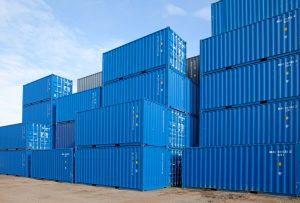
What is the difference between a shipping container and a cargo container?
The terms “shipping container” and “cargo container” are often used interchangeably, but they essentially refer to the same thing. Both terms describe large steel containers used for transporting goods via sea, land, or air. These containers are standardized in dimensions and build, allowing them to be easily stacked and transferred across different modes of transport. This standardization facilitates efficient handling and storage and simplifies the process of loading and unloading goods. The most common types of containers used today are the 20-foot and 40-foot containers, which conform to international standards set by the International Organization for Standardization (ISO). Regardless of the name used, these containers are designed to protect goods from the elements during transit and provide secure storage when not in motion.
Related FAQs
What is a sea can?
A “sea can” is a colloquial term used to refer to a shipping container. It is a large, standardized metal container primarily used for transporting goods via sea, rail, or road. Shipping containers are designed to be durable, secure, and capable of withstanding the rigors of long-distance transportation. They are constructed from corten steel, which is highly resistant to corrosion, and come in standard sizes, such as 20 feet or 40 feet in length. Shipping containers have standardized dimensions and are stackable, making them efficient for transportation and storage. Due to their durability and versatility, shipping containers are also used for various other purposes, including temporary or permanent storage, modular buildings, pop-up shops, and even as the basis for customized homes or offices.
Are steel containers better than plastic for storage?
Steel containers generally offer several advantages over plastic containers for storage, particularly in terms of durability, security, and environmental impact. Steel containers are incredibly robust, capable of withstanding severe weather conditions, and are fire-resistant, making them ideal for storing valuable or sensitive items. They also provide enhanced security against theft or vandalism due to their robust and durable construction and lockable features. From an environmental standpoint, steel containers often have a longer lifecycle and can be reused and recycled, whereas plastic containers may degrade over time and contribute to plastic waste. However, plastic containers can be a cost-effective and practical choice for indoor or lighter-duty storage needs. They are lighter, easy to handle, and do not rust. Choosing between steel and plastic containers depends on the specific needs of the storage, including the nature of the items being stored, the required security level, and the storage environment.
Are there any restrictions on what I can store inside a seacan?
There are restrictions on what you can store inside asea can, and they may vary depending on the provider and regulations. Typically, hazardous materials, perishable items, illegal or stolen goods, and unauthorized or dangerous items are not allowed. It’s important to consult with the shipping container provider to understand their specific guidelines and any additional restrictions they may have in place. Storing high-value items or using seacans for living purposes is generally discouraged.
When is the best time to have a shipping container delivered to me?
It depends on where you live, but for Albertans, it is best to have your shipping container delivered in the spring or summer. This is because our winters are so cold and snowy that it can be difficult for the delivery truck to get to you. We can deliver year-round, however, plowing of the snow will need to be done beforehand so that we can properly deliver the shipping container. If you have any questions about when the best time to have your shipping container delivered is, please give us a call, and we would be happy to help.
Choosing the right storage container depends on several factors, including the volume and size of items you need to store and the purpose of the storage. At Yellowhead Storage, we offer an extensive inventory of storage solutions in Edmonton, ranging from compact, twenty-foot equivalent units to larger containers, ensuring you find the perfect container to meet your storage needs. Whether you’re looking to store seasonal items, business storage, or need extra space for raw materials, we provide new and used containers, including standard shipping containers and specialized equipment with features like double doors for easy loading.
Consider how much space your items will require; if you’re storing larger or numerous items, a standard container or one with extra height may be necessary. Our diverse selection of steel shipping containers and intermodal containers come in various sizes and are built to maintain structural integrity and safely deliver your valuables. Additionally, our transparent and competitive pricing make us a leading choice for storage containers in Edmonton.
For those uncertain about the best size, our team is equipped to guide you through choosing a container that provides enough space while ensuring efficiency and cost-effectiveness. Whether you require short-term storage solutions or long-term options, our extensive range of cargo, sea, and steel containers will meet your demands. Connect with us at Yellowhead Storage to explore our containers for sale and secure the storage unit that precisely fits your requirements.
Similar to steel containers, cargo containers can float under specific conditions. The buoyancy of a cargo container depends on how much weight it carries and the volume of water it displaces. An empty or minimally loaded container can displace a sufficient amount of water to stay afloat because its weight is less than the weight of the water it displaces. However, when loaded heavily, the container may sink as it cannot displace enough water to offset its increased weight. The container’s ability to remain watertight also influences its buoyancy; if water enters the container, it will likely sink. While cargo containers are not designed for flotation and are primarily used for transport on stable platforms like ships and trains, they have been known to float for extended periods when accidentally lost at sea during maritime accidents.
Whether you need St. Albert self storage or storage units in Sherwood Park, we have plenty of room for all of our local residents. Compare our prices with other storage facilities, then sign up with us today for cost-effective, secure storage for your belongings!
If you are looking for storage facilities in Edmonton, we provide friendly and efficient customer service, top-security storage, mobile storage options, and competitive pricing. Call us today and store your belongings with Edmonton storage you can trust!