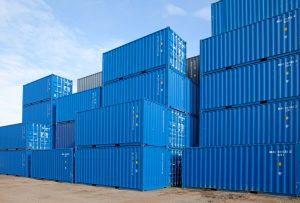
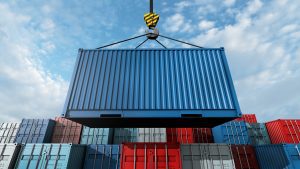
It depends on where you live, but for Albertans, it is best to have your shipping container delivered in the spring or summer. This is because our winters are so cold and snowy that it can be difficult for the delivery truck to get to you. We can deliver year-round, however, plowing of the snow will need to be done beforehand so that we can properly deliver the shipping container. If you have any questions about when the best time to have your shipping container delivered is, please give us a call, and we would be happy to help.
Springtime can also be difficult for shipping container deliveries in Alberta if the ground is wet and muddy. This can make it difficult for the delivery truck to get to you and can also damage your property. For this reason, we recommend having your shipping container delivered in the summer or fall when the ground is dry. Of course, we can still deliver in the springtime if you need us to, but it is something to keep in mind. Give us a call today to schedule your shipping container delivery!
Similar to steel containers, cargo containers can float under specific conditions. The buoyancy of a cargo container depends on how much weight it carries and the volume of water it displaces. An empty or minimally loaded container can displace a sufficient amount of water to stay afloat because its weight is less than the weight of the water it displaces. However, when loaded heavily, the container may sink as it cannot displace enough water to offset its increased weight. The container’s ability to remain watertight also influences its buoyancy; if water enters the container, it will likely sink. While cargo containers are not designed for flotation and are primarily used for transport on stable platforms like ships and trains, they have been known to float for extended periods when accidentally lost at sea during maritime accidents.
Yes, seacans can be an excellent choice for secure document storage. Their robust construction, coupled with additional security measures like locks and surveillance systems, provides a secure environment for storing sensitive documents. Proper organization and shelving systems can be implemented to ensure easy access and efficient document management.
Steel containers can rust over time, especially if exposed to moist or corrosive environments, such as marine settings or areas with high humidity. Rust occurs when the iron in steel oxidizes in the presence of oxygen and water, which can be accelerated by salt and pollutants. However, most containers are treated with rust-resistant coatings to mitigate this issue, and regular maintenance, such as applying protective paints, can further enhance their corrosion resistance. It is essential for owners to inspect their containers regularly for signs of rust or deterioration and to take prompt action to address any issues. This maintenance helps prolong the container’s helpful life and maintains its structural integrity.
Protecting cargo from rain is crucial for maintaining the quality and longevity of stored or transported goods. Rainwater can damage cargo in several ways—causing mould, rust, warping, and electrical damage, especially for sensitive materials like electronics, fabrics, and metal objects. Thankfully, there are multiple strategies to protect your cargo and ensure it stays in pristine condition, even during extreme weather conditions.
The best way to protect cargo from rain is by using a well-maintained shipping container. These containers are built to be weather-resistant and offer a secure environment for your belongings. However, regular maintenance and inspections are necessary to ensure the container’s integrity remains intact.
What to Check:
For durable, weather-resistant options, explore Yellowhead Storage’s Storage Container Sales, where you’ll find a range of high-quality containers.
Good ventilation is critical to prevent condensation, which can be just as damaging as rainwater. Condensation forms when warm air meets the cooler surface of a container’s walls, creating moisture that settles on your cargo.
Best Ventilation Options:
Learn more about selecting the right vent in our FAQ: What is the Best Vent for a Container?.
Even within a container, adding an extra layer of protection to your cargo helps minimize the risk of damage.
Moisture can still build up inside a container due to environmental factors or temperature changes. Using moisture absorbers can significantly reduce humidity.
Proper cargo organization plays a big role in minimizing damage risk.
When using a sea can for personal storage, proper packing is crucial to prevent damage to your belongings. It’s important to opt for sturdy boxes and containers to ensure everything is tightly packed and remains immobile during transit. Fragile items should be wrapped in packing paper or bubble wrap and placed in boxes, while dividers or packing peanuts can be utilized to prevent items from shifting. Labelling each box with its contents and weight simplifies the process of unpacking. Organize your storage by placing heavier items at the bottom and lighter ones on top. Efforts to pack everything into one container can minimize the need for multiple moves. To avoid any shifting during transit, fill up any empty spaces with packing peanuts or similar materials. Ensuring the container is properly sealed with heavy-duty packing tape will keep your belongings secure. If the container is stored outdoors, covering it with a tarp can protect it from weather damage. Moreover, proper ventilation within the container is critical to prevent moisture accumulation. By following these guidelines, you can help ensure your belongings are kept safe and in good condition throughout their storage. Should you have any further questions about packing or storing your items in a sea can, don’t hesitate to reach out for assistance.
Seacans are designed to withstand various weather conditions, including extreme temperatures, heavy rain, and wind. Their robust steel construction provides durability and protection against the elements. However, it’s important to take additional precautions in regions with severe weather, such as anchoring the seacan and implementing insulation or ventilation measures as needed.
Whether you need St. Albert self storage or storage units in Sherwood Park, we have plenty of room for all of our local residents. Compare our prices with other storage facilities, then sign up with us today for cost-effective, secure storage for your belongings!
If you are looking for storage facilities in Edmonton, we provide friendly and efficient customer service, top-security storage, mobile storage options, and competitive pricing. Call us today and store your belongings with Edmonton storage you can trust!