Canadian Owned and Operated since 1994

20412 118A AVE NW, EDMONTON, AB 1-780-455-9242
u-haul-authorized-dealer-u-haul-dealer-logo - Yellowhead Storage

Furniture Storage Near You

Keep Your Furniture Safely in Storage

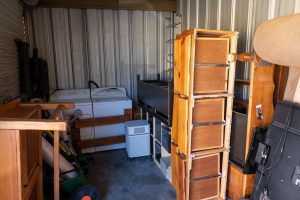
Whether you’re renovating, relocating, downsizing, or simply need extra space, furniture storage is a convenient way to keep your items safe, organized, and in top condition. Our storage units are designed to accommodate everything from delicate antiques to bulky furniture, ensuring they remain protected from dust, damage, and environmental wear.

Recommended Unit Sizes for Furniture Storage

  • 5×10 Unit – Ideal for storing smaller furniture pieces like chairs, nightstands, end tables, and compact dressers.
  • 10×10 Unit – Perfect for couches, beds, dining tables, and multiple medium-sized pieces.


Tips for Storing Furniture Safely

  • Disassemble Large Pieces – Remove legs from tables and bed frames to save space and prevent stress on joints.
  • Use Protective Covers – Wrap furniture in moving blankets or breathable covers to shield against dust and scratches.
  • Store Mattresses Upright – Keep them in a mattress bag to prevent dirt buildup and moisture retention.
  • Keep Items Off the Floor – Use pallets or furniture risers to improve airflow and prevent contact with potential moisture.


Reserve Your Furniture Storage Unit Today!

Whether you need short-term storage during a move or long-term storage for extra pieces, we’ve got you covered. Contact us today to book your storage unit.

Hours

Monday – 8:00AM to 6:00PM
Tuesday – 8:00AM to 5:00PM
Wednesday – 8:00AM to 6:00PM
Thursday – 8:00AM to 5:00PM
Friday – 8:00AM to 5:00PM
Saturday – 9:00AM to 4:00PM
Sunday – 10:00AM to 2:00PM
Closed Holidays

Frequently Asked Questions

Small storage units, including the commonly used 5×5 size, can accommodate furniture during a home remodel but with certain limitations. These units are ideal for storing more miniature furniture, such as chairs, nightstands, small desks, and disassembled parts of oversized furniture. They also provide ample space for boxes of household items, decorations, and smaller appliances, making them a convenient option for homeowners undergoing renovations. When preparing for a remodel, assessing the size and quantity of furniture you need to store is essential. For single, smaller items or a modest amount of boxes, a 5×5 unit can be sufficient. Utilizing this space effectively involves strategic packing, disassembling more oversized items where possible, using protective covers to prevent damage, and stacking items carefully to maximize the use of vertical space. Please note that furniture for an entire home does not fit in this unit; we offer other bigger sizes if that is the case.

When storing furniture, it’s essential to use the right protective materials to prevent dust buildup, moisture damage, and surface scratches. The best option is to cover furniture with breathable materials like cotton sheets, moving blankets, or drop cloths. These allow for air circulation while keeping dust and dirt away. Avoid using plastic covers directly on furniture, as they can trap moisture, leading to mold, mildew, or wood warping over time.

For added protection, wrap furniture edges and delicate surfaces in bubble wrap or furniture pads to prevent scratches and dings during movement or stacking. If you’re storing leather furniture, apply a leather conditioner before covering it to prevent drying or cracking. For wood furniture, consider a light application of furniture polish to help preserve its finish while in storage.

Proper furniture protection helps maintain its condition for long-term storage. If you need a secure storage unit for furniture, contact Yellowhead Storage to find a storage solution that fits your needs.

It’s crucial to prepare and store items properly to keep furniture from molding in storage. Ensure all furniture is clean and completely dry before storage to prevent mold and mildew growth. Cover furniture with breathable covers, such as cotton sheets, to protect against dust while allowing air circulation. Avoid plastic covers, which can trap moisture and encourage mold growth. Elevate furniture off the floor on pallets or blocks to promote airflow and reduce moisture exposure. Regularly inspecting your stored items can also help catch any signs of mold early before it spreads.

To protect the furniture in storage, thoroughly clean each piece to remove dust and debris, preventing mold and mildew growth. Disassemble larger items, if possible, to save space and reduce the risk of damage, keeping all screws and small parts in labeled bags attached to the furniture. Use protective covers, such as furniture pads or bubble wrap, to shield surfaces from scratches and dust, and avoid plastic wraps that can trap moisture. Elevate furniture off the ground on pallets to protect against flooding or moisture seepage. Finally, ensure the storage unit has climate control to maintain a stable environment, preventing damage from extreme temperatures and humidity.

Yes, you can store furniture in a self-storage unit. But first, consider if the unit is right for the furniture. For example, does the unit have climate control? Is there a way to control the humidity? Also, prepare the furniture for storage by cleaning it, disassembling it, wrapping it, and using furniture covers or pads to protect it from dust and scratches.

Whether it’s worth keeping furniture in storage depends on various factors. Storing furniture can be a practical solution if you have limited space in your current living situation or if you’re going through a temporary transition such as a move or renovation. It can help declutter your living space while keeping the furniture accessible for future use. Furniture with sentimental value or high monetary worth may also be worth storing to preserve its condition and value. Consider the financial aspect by comparing the cost of storage rental fees with the value and replacement cost of the furniture. If the cost of storage is significantly lower than replacing the furniture, storing it may be a wise choice. Additionally, assess the condition of the furniture and its potential for future use. If it’s in good condition and you anticipate using it again, storing it can be worthwhile. However, if the furniture is damaged or no longer serves your needs, alternative options such as selling or donating may be more practical. Consider these factors and make a decision that aligns with your specific circumstances and priorities.